
From Classic Colonials to Modern New Builds: Home Styles Across Long Island, Brooklyn, and Queens
One of the defining features of the New York metropolitan housing landscape is architectural variety. Across Long Island, Brooklyn, and Queens, residential styles reflect decades of development, changing lifestyles, and neighborhood character. Understanding these home styles helps buyers and sellers recognize how design, layout, and location shape everyday living.
Below is a breakdown of the most common home styles found across these markets—and where you’re most likely to encounter them.
Colonial Homes Across Long Island and Select City Neighborhoods
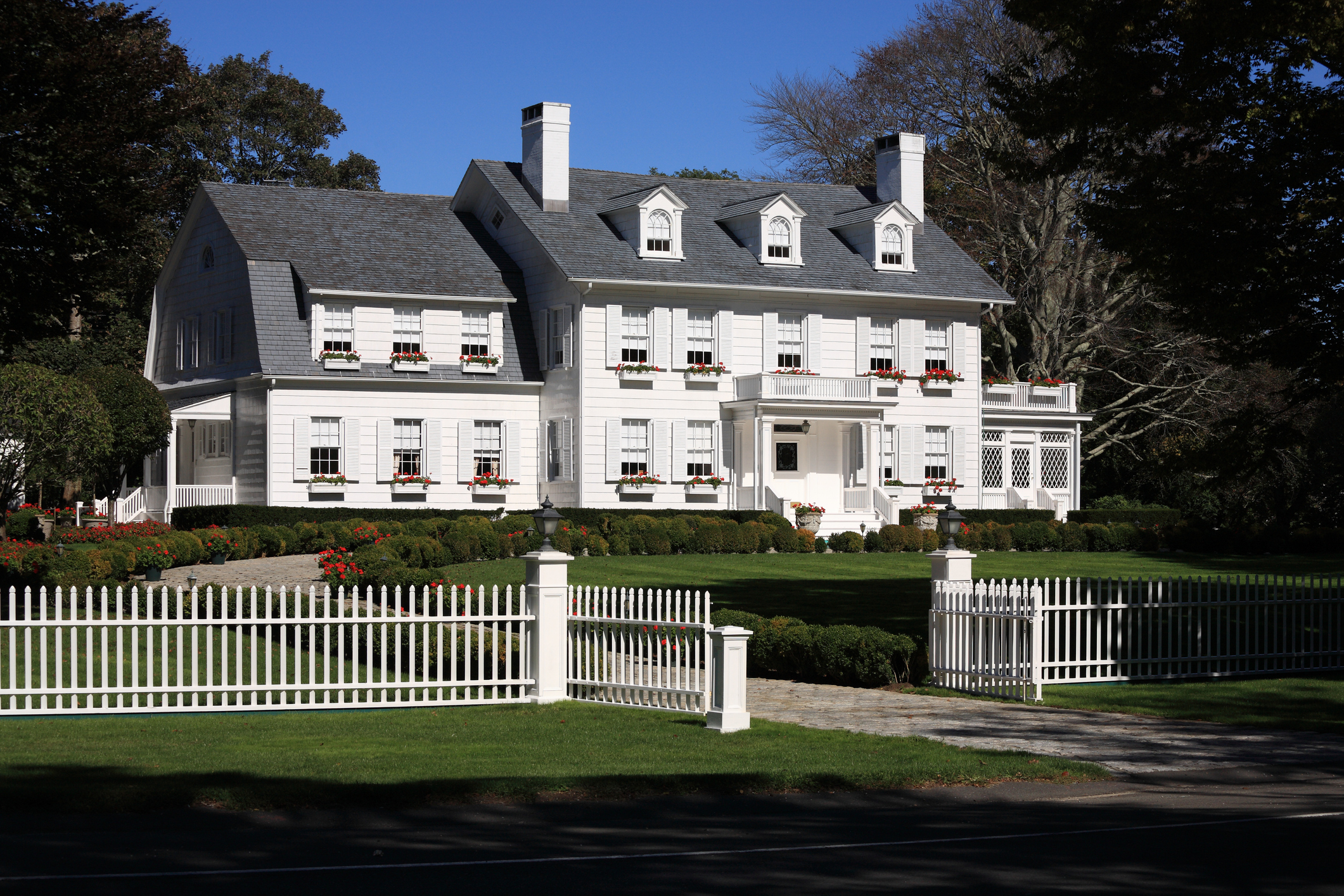
Colonial-style homes are a foundational part of Long Island’s residential landscape and appear in pockets of Brooklyn and Queens as well. These homes are known for symmetry, defined room layouts, and practical floor plans.
Typical features include:
- Two or more stories
- Center hall or side hall layouts
- Brick, wood, or vinyl exteriors
- Defined living and dining spaces
On Long Island, Colonials are common in Nassau and Suffolk County neighborhoods developed during the mid-20th century. In Brooklyn and Queens, they are often found in quieter residential areas that feature detached or semi-detached properties.
These homes appeal to buyers looking for structure, privacy, and a clear separation of living spaces.
Ranch-Style Homes: Single-Level Living on Long Island
Ranch-style homes are most prevalent on Long Island, particularly in post-war communities. Designed with accessibility and ease of movement in mind, these homes offer a single-level layout with open living areas.
Common characteristics include:
- One-story floor plans
- Attached garages
- Sliding doors leading to outdoor space
- Simple rooflines
Ranch homes are less common in Brooklyn and Queens but remain a recognizable part of Long Island’s housing inventory. Many have been updated over time with expanded kitchens or modern finishes while maintaining their original footprint.
Cape Cod Homes Throughout Long Island and Queens
Cape Cod homes bridge traditional and functional design. Originally built as compact residences, many have been expanded to include dormers and additional living space.
Key features include:
- Steep pitched roofs
- Central chimneys
- Dormer windows
- Efficient layouts
These homes are frequently found in Long Island suburbs and select Queens neighborhoods. Their adaptable design allows for updates that suit modern lifestyles while preserving architectural character.
Brownstones and Townhomes in Brooklyn and Queens
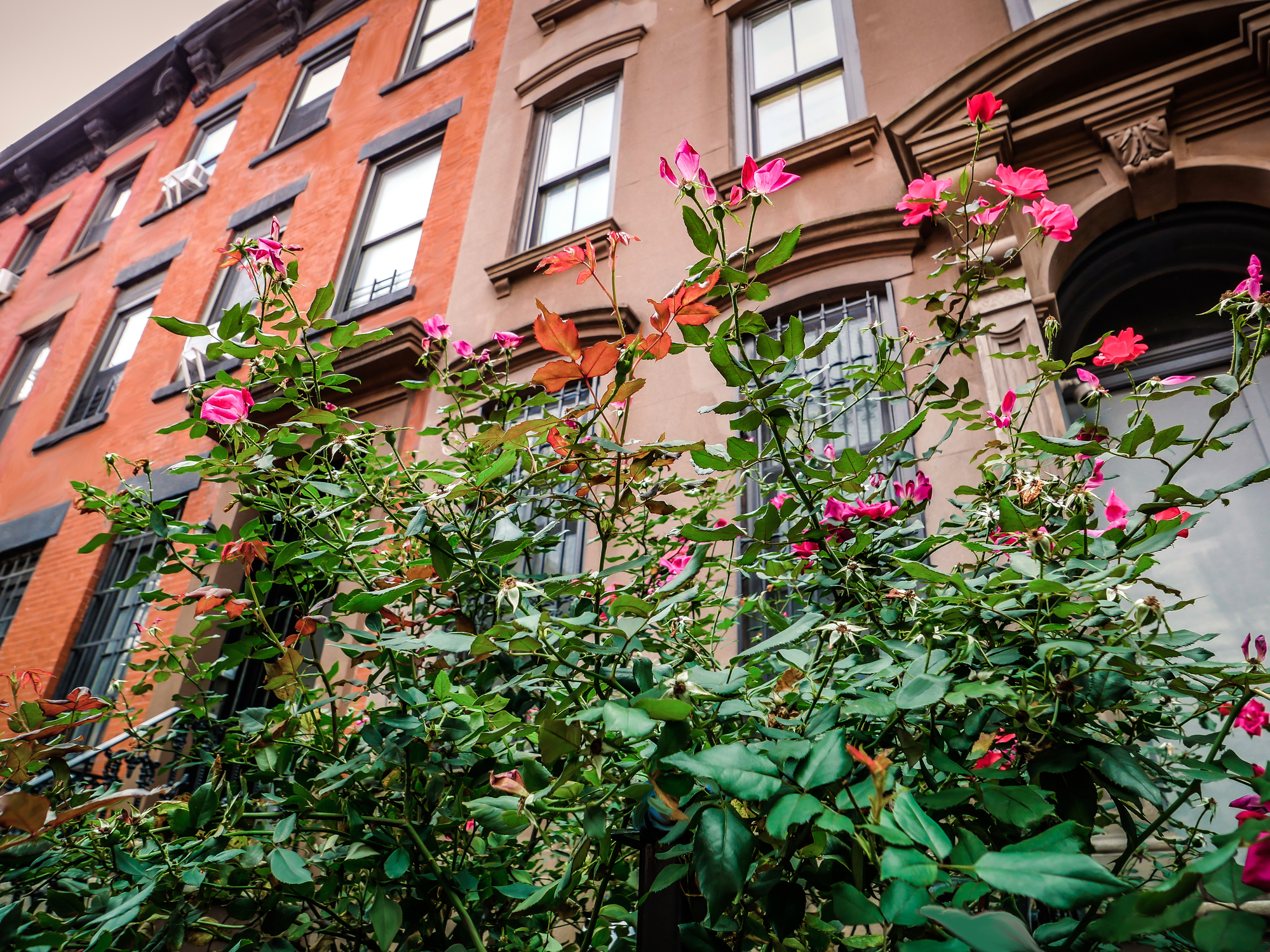
Brooklyn is widely associated with brownstones, though similar townhome-style properties can also be found in Queens. These multi-level homes are defined by vertical layouts and historic exteriors.
Typical elements include:
- Brick or stone façades
- Stoop entrances
- Multiple floors with stacked living spaces
- Distinct architectural detailing
While brownstones are closely tied to Brooklyn neighborhoods, Queens townhomes often reflect similar layouts with more varied architectural influences. These properties appeal to those seeking city living with a sense of individuality and architectural presence.
Split-Level Homes in Suburban and Transitional Neighborhoods
Split-level homes gained popularity in the mid-20th century and remain a notable option across Long Island and parts of Queens. These homes offer separation of living areas without a fully vertical layout.
Features often include:
- Multiple short staircases
- Distinct zones for living, dining, and recreation
- Attached garages
- Mid-century design elements
Split-level homes are commonly found in neighborhoods that blend suburban space with access to urban amenities.
Modern and New Construction Homes Across All Markets
Modern and newly built homes have become increasingly visible across Long Island, Brooklyn, and Queens. These properties reflect current design preferences, emphasizing open layouts and contemporary finishes.
Common characteristics include:
- Open-concept interiors
- Large windows and natural light
- Clean lines and minimal detailing
- Energy-conscious materials
In Brooklyn and Queens, new construction often takes the form of modern townhomes or condo-style residences. On Long Island, modern builds range from updated single-family homes to custom-designed residences.
Coastal and Waterfront-Inspired Homes on Long Island
In coastal Long Island communities, architectural styles often reflect proximity to the water. These homes are designed to maximize views, outdoor access, and natural light.
Design elements may include:
- Elevated foundations
- Expansive decks or patios
- Large windows and sliding doors
- Neutral, coastal-inspired finishes
While less common in Brooklyn and Queens, similar design principles appear in waterfront areas with residential development.
How Home Style Influences Lifestyle and Location
Across Long Island, Brooklyn, and Queens, home style often aligns with neighborhood layout, lot size, and daily routines. City homes typically emphasize vertical living and proximity, while Long Island homes offer more horizontal layouts and outdoor space.
Understanding architectural styles helps clarify:
- How space is used
- How homes connect to their surroundings
- What types of renovations are common
- How neighborhoods have evolved over time
Work With a Daniel Gale Sotheby’s International Realty Advisor
Whether you’re exploring classic Colonials on Long Island, townhomes in Brooklyn, or modern residences in Queens, working with a knowledgeable advisor makes a difference.
A Daniel Gale Sotheby’s International Realty advisor brings local insight, architectural knowledge, and market expertise to help you navigate available home styles and neighborhoods with confidence.
Connect with a Daniel Gale SIR advisor today to explore homes that align with your lifestyle across Long Island, Brooklyn, and Queens.



Leave a Reply