
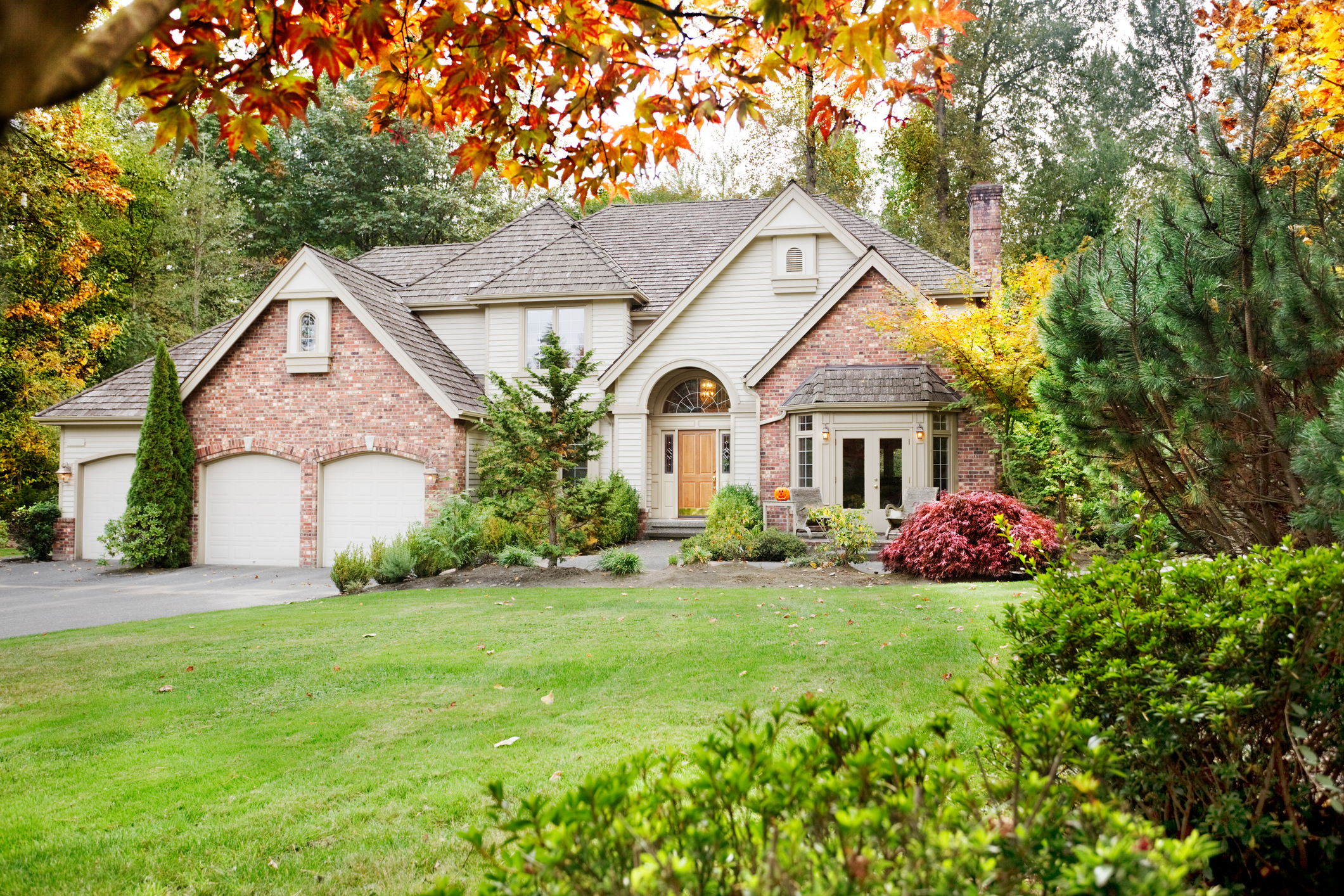
September marks the transition from summer to fall across Long Island, Brooklyn, Queens and the Hamptons. Along with cooler temperatures and changing landscapes, the season presents an opportunity to take care of important home maintenance before colder weather arrives.
A thoughtful fall home maintenance checklist can help identify minor issues before they become larger repairs while preparing interior and exterior spaces for the months ahead.
Where you live can also shape your maintenance priorities. A coastal property in the Hamptons may face different seasonal considerations than a brownstone in Brooklyn, a condominium in Queens or a single-family residence on Long Island.
From gutters and heating systems to landscaping and outdoor living spaces, here are several areas to consider when preparing your home for fall in New York.
1. Inspect Gutters and Drainage
Falling leaves are part of autumn across the region, but they can also create maintenance issues when they accumulate in gutters and downspouts.
As part of your fall home maintenance, inspect gutters for leaves, branches and other debris that could restrict water flow. Check that downspouts are directing water away from the home’s foundation and look for sections of gutter that appear loose or damaged.
Properties surrounded by mature trees may require additional attention as the season progresses.
For homes in coastal areas of Long Island and the Hamptons, drainage can be particularly important during periods of heavy rain and seasonal storms. Consider having gutters and drainage systems professionally inspected if you notice standing water or signs that water isn’t moving away from the property properly.
2. Check the Roof and Exterior
Before colder weather arrives, take time to visually inspect the exterior of your home.
Look for missing or damaged roofing materials, loose siding, cracks, deteriorating exterior finishes and other visible changes. You should also inspect areas around chimneys, skylights and roof penetrations where water could potentially enter.
Brooklyn and Queens homeowners may have different exterior maintenance needs depending on whether they own a townhouse, brownstone, detached residence or another property type.
On Long Island and the East End, exposure to coastal weather can also affect exterior materials over time.
If you notice potential damage, consider contacting an appropriate licensed professional rather than attempting roof repairs yourself.
3. Prepare Your Heating System for Cooler Weather
Heating systems can go largely unused during the warmer months, making early fall a practical time to make sure everything is operating properly.
Depending on the property, this could include checking furnaces, boilers, heat pumps, thermostats, radiators or other heating equipment.
Replace or clean appropriate filters according to manufacturer recommendations and consider scheduling professional service before temperatures drop.
For those researching how to prepare a house for winter, addressing the heating system in September or early fall can help avoid waiting until the first cold stretch of the season.
4. Check Windows and Doors
Windows and doors play an important role in keeping a home comfortable as temperatures change.
Walk through the property and look for damaged weatherstripping, visible gaps or areas where windows and doors no longer close properly.
Depending on the home’s age and architectural style, maintenance needs can vary considerably.
Historic properties in parts of Brooklyn, Queens and Long Island may have original or older windows that require specialized care, while newer construction may have different maintenance requirements.
Fall is also an opportunity to clean window tracks, inspect screens and prepare storm windows where applicable.
5. Give Outdoor Living Spaces Seasonal Attention
Outdoor living is an important part of the lifestyle throughout Long Island, Brooklyn, Queens and the Hamptons.
Patios, decks, terraces, balconies and outdoor kitchens can all benefit from seasonal attention.
Clean outdoor surfaces and inspect furniture before deciding what will remain outdoors through fall and winter. Follow manufacturer recommendations for storing grills, umbrellas, cushions and other seasonal items.
If your home has a deck, inspect boards, stairs and railings for visible wear.
Brooklyn and Queens properties with terraces or rooftop spaces should also consider building requirements before storing, securing or covering outdoor items.
6. Prepare Landscaping for Fall
September doesn’t necessarily mean the end of outdoor maintenance.
Removing fallen leaves, trimming vegetation where appropriate and clearing debris from around the property can help keep outdoor areas maintained as the seasons change.
Homeowners should also review seasonal care recommendations for their specific plants, lawns and landscaping.
On the East End and in other coastal areas, salt air, wind and exposure can influence landscaping choices and maintenance needs.
If your property has an irrigation system, speak with a qualified professional about the appropriate timing for seasonal shutdown and winterization.
7. Inspect Outdoor Faucets and Irrigation Systems
Exterior plumbing can require additional attention before freezing temperatures arrive.
Inspect outdoor faucets, hoses and irrigation components for leaks or visible damage. Disconnect and store garden hoses when they’re no longer needed and follow appropriate winterization procedures for your property’s plumbing systems.
Homes with pools, outdoor showers, irrigation systems or other seasonal water features may require additional professional service.
This can be especially relevant for properties across Long Island and the Hamptons, where outdoor amenities are common components of residential living.
8. Test Safety Equipment
Seasonal maintenance is also a useful reminder to review equipment throughout the home.
Test smoke alarms and carbon monoxide detectors according to manufacturer instructions and replace batteries or units when appropriate.
If the property has fire extinguishers, review their condition and expiration information.
You can also use your fall maintenance routine to check exterior lighting, stairway lighting and other frequently used fixtures as daylight hours become shorter.
9. Walk Through Your Home Like a Buyer Would
One useful approach to seasonal home maintenance is to look at your property with fresh eyes.
Walk around the exterior and then through each room, paying attention to items you may have stopped noticing.
Is paint beginning to peel? Does a door stick? Is a fixture showing wear? Does landscaping block an exterior feature? Are there small repairs that have remained unfinished?
This exercise can be particularly useful if you’re considering selling your home in the coming months.
Addressing deferred maintenance doesn’t require changing the character of the property. Instead, it can help ensure the home is cared for and ready to present when the time comes.
Fall Real Estate Across Long Island, Brooklyn, Queens & the Hamptons
Fall isn’t only a change in weather. It can also bring a shift in the Long Island, Brooklyn, Queens and Hamptons real estate markets as buyers and sellers adjust their plans heading toward the final months of the year.
For sellers, seasonal maintenance can be part of preparing a property for the market. For buyers, understanding a property’s exterior, heating systems and seasonal maintenance requirements can be an important part of evaluating a home.
Housing styles and property characteristics vary significantly across the region, from Brooklyn brownstones and Queens condominiums to North Shore residences, South Shore waterfront properties and homes throughout the Hamptons.
Understanding those distinctions is where local real estate knowledge becomes particularly valuable.
Planning Your Next Move? Connect with Daniel Gale Sotheby’s International Realty
Whether you’re maintaining your current home, preparing to sell or beginning a property search, fall is an opportunity to evaluate both your home and your real estate goals.
Daniel Gale Sotheby’s International Realty provides local market knowledge throughout Long Island, Brooklyn, Queens and the Hamptons, helping buyers and sellers navigate communities and property types across the region.
If you’re considering a move this fall or want to understand what current market conditions could mean for your property, connect with a Daniel Gale Sotheby’s International Realty advisor.
A Daniel Gale SIR advisor can provide personalized local insight, help you understand current real estate activity and guide you through the next steps in your real estate journey.

Leave a Reply